Tanzania
Explore the beauty of Tanzania
About Tanzania
From mountain peaks to island beaches, Tanzania offers unmatched adventure and natural beauty.
1. Serengeti
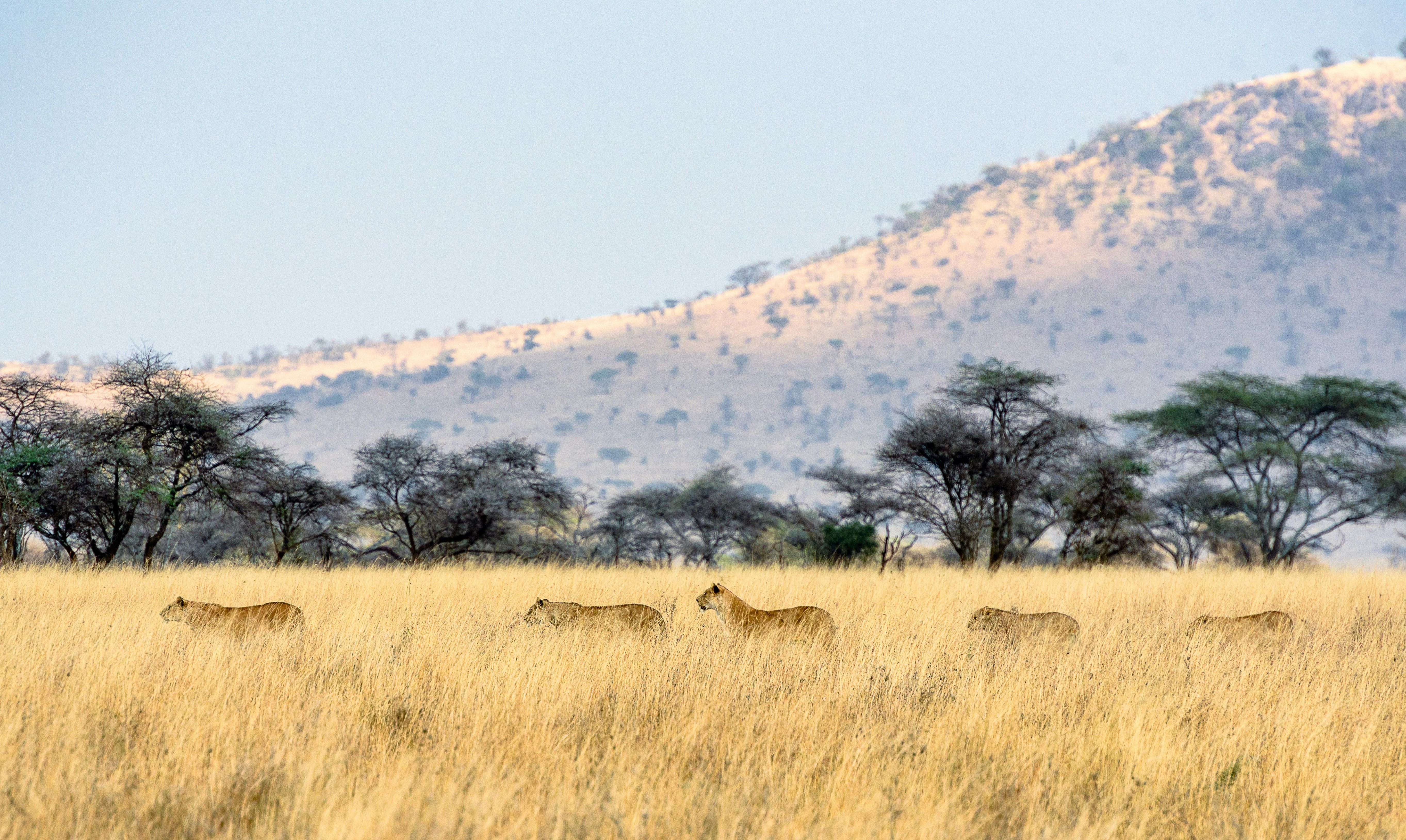
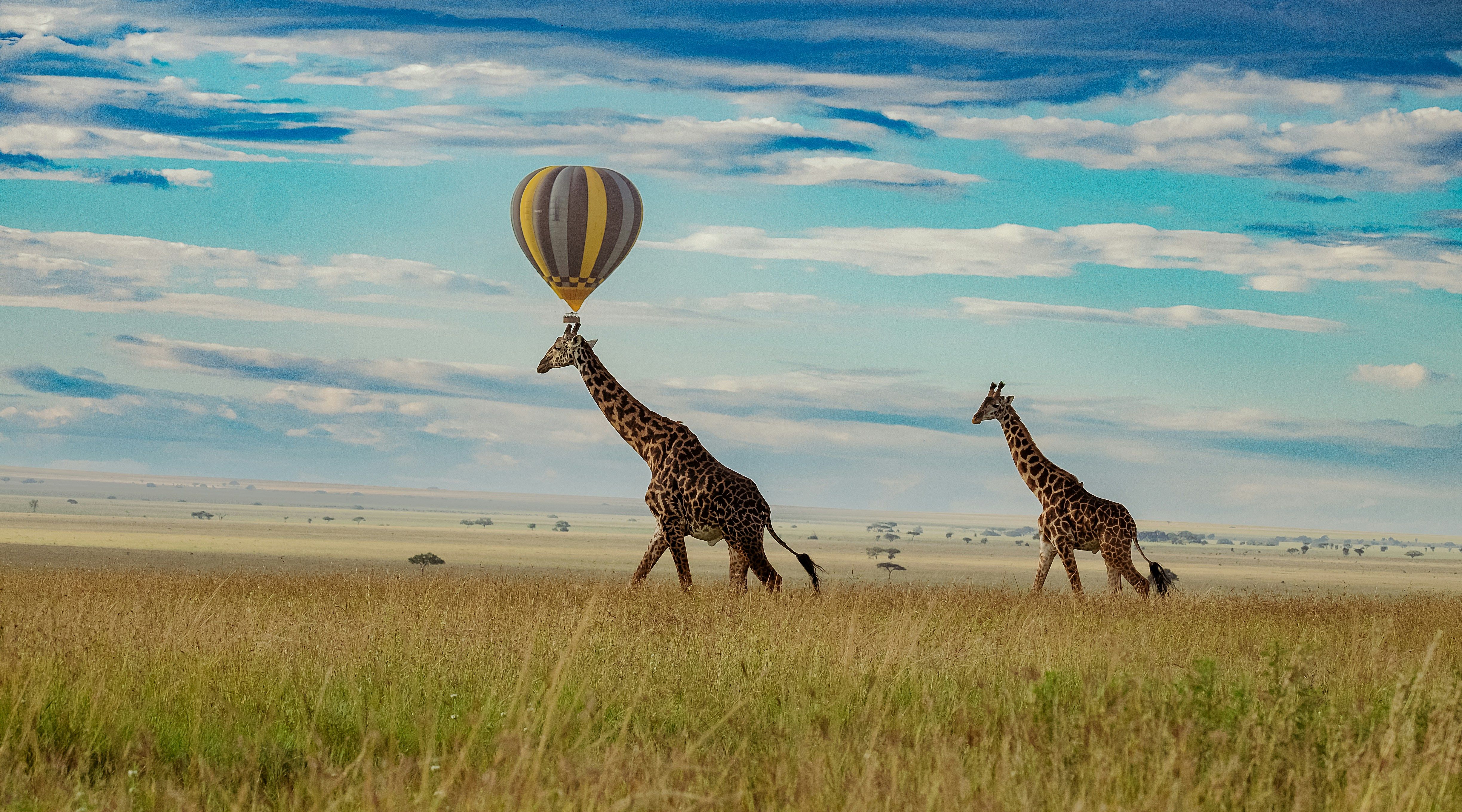
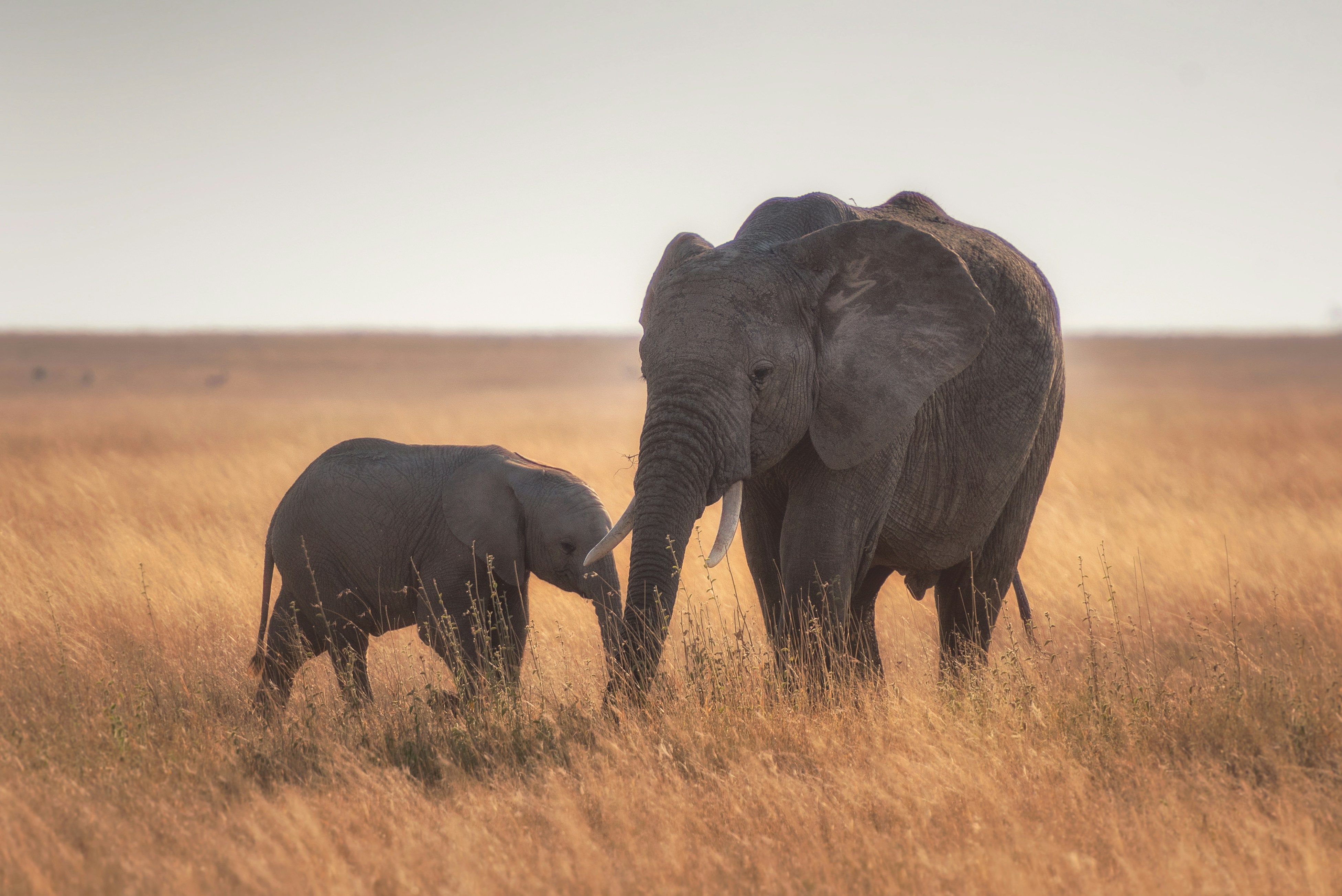
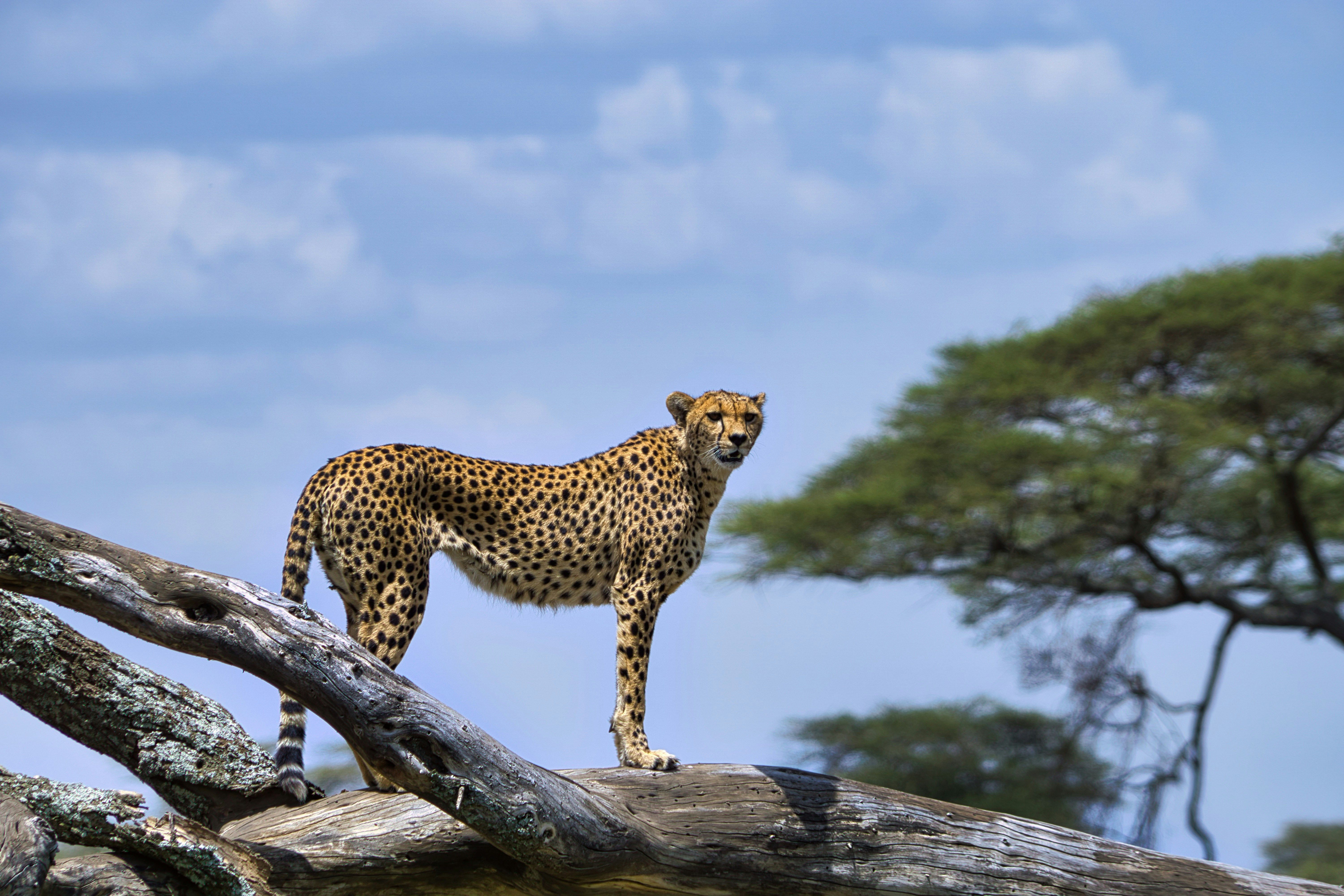
One of the most famous wildlife sanctuaries in the world, known for the annual Great Migration of over 1.5 million wildebeest and zebra.
History
Established as a game reserve in 1929 and later as a national park in 1951, it is a UNESCO World Heritage Site.
Uniqueness
Hosts the world's largest terrestrial mammal migration, an endless cycle of life and death.
Highlights
- Great Migration
- Big Five
- Vast Savanna Plains
2. Ngorongoro
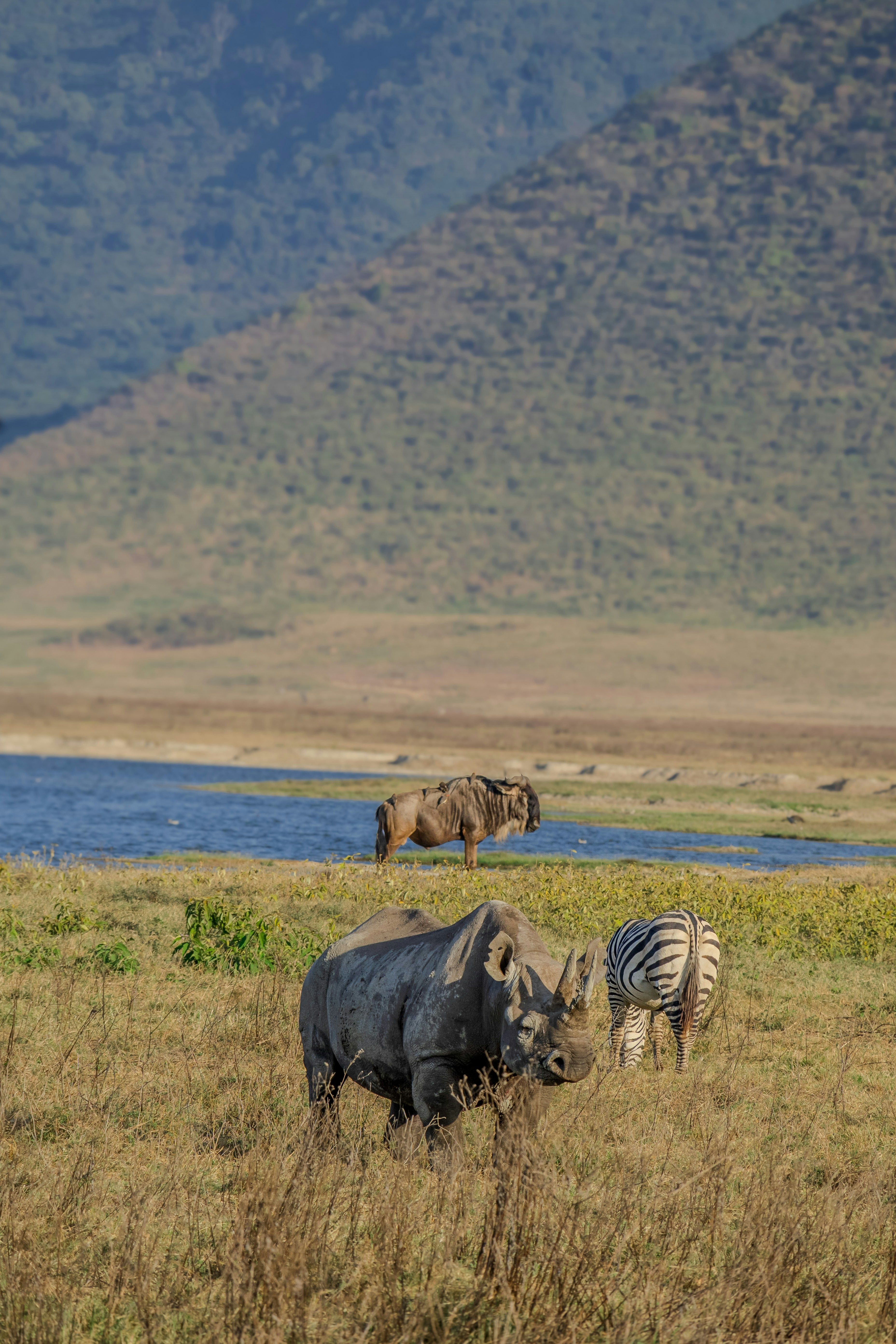
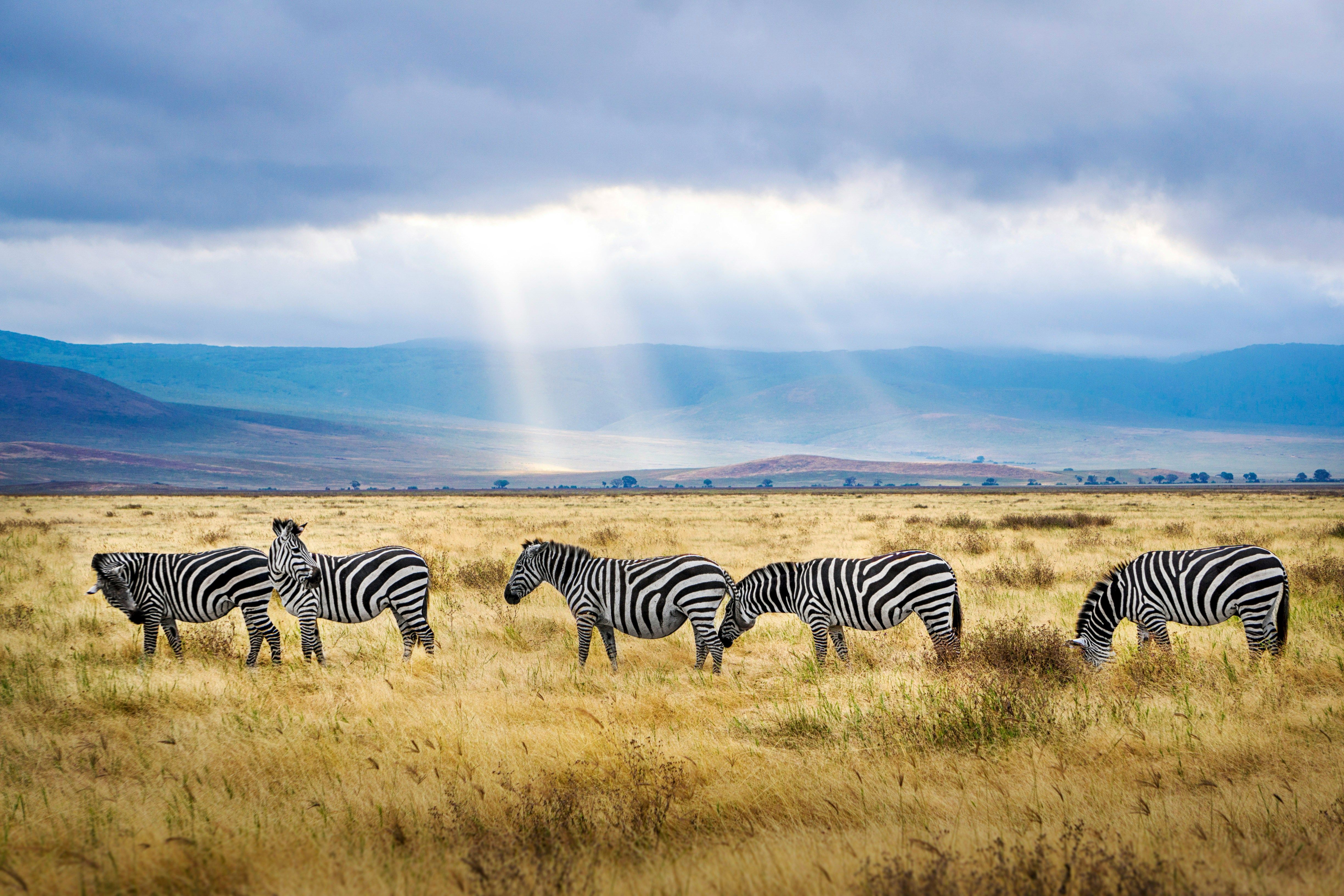
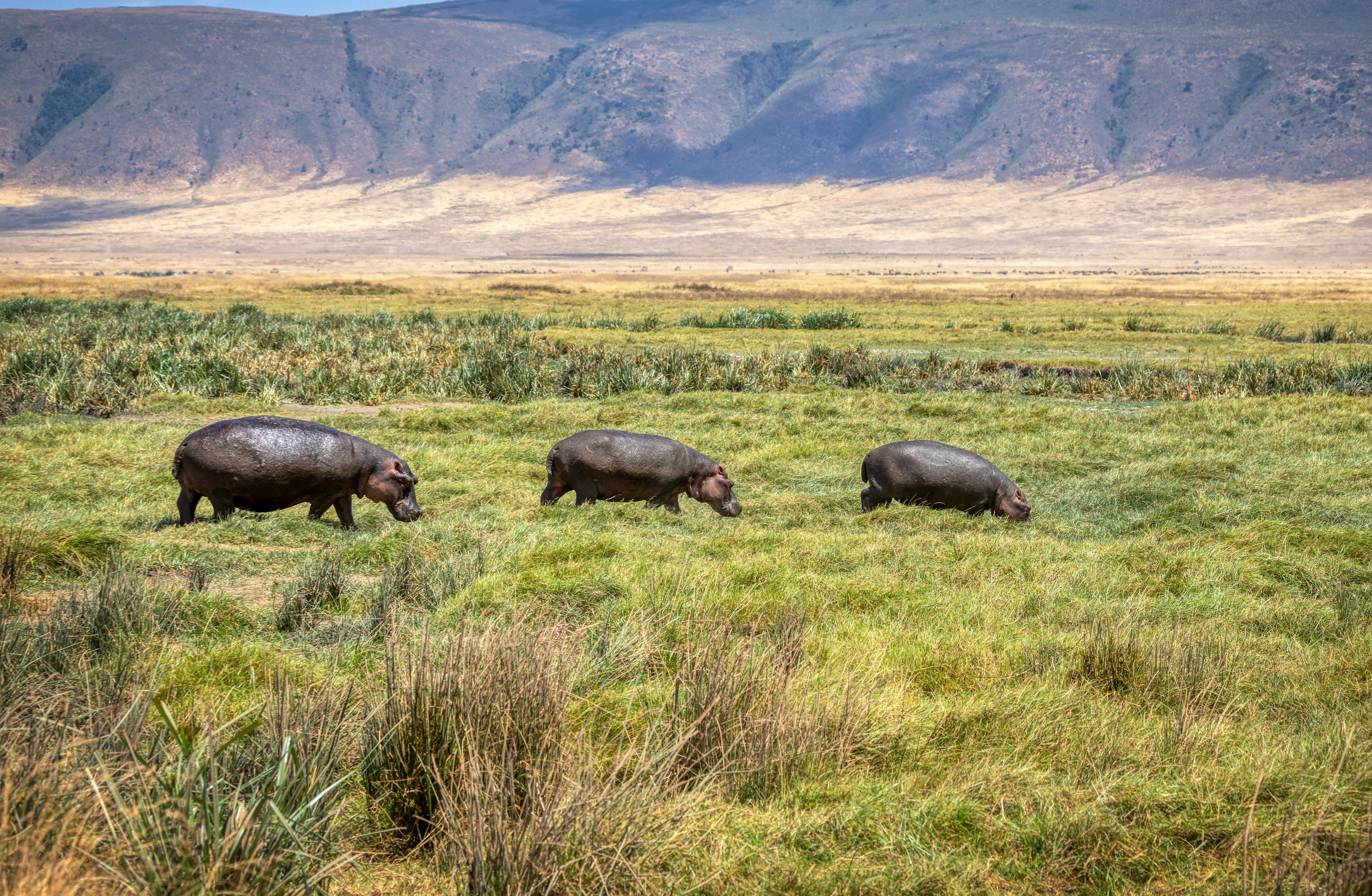
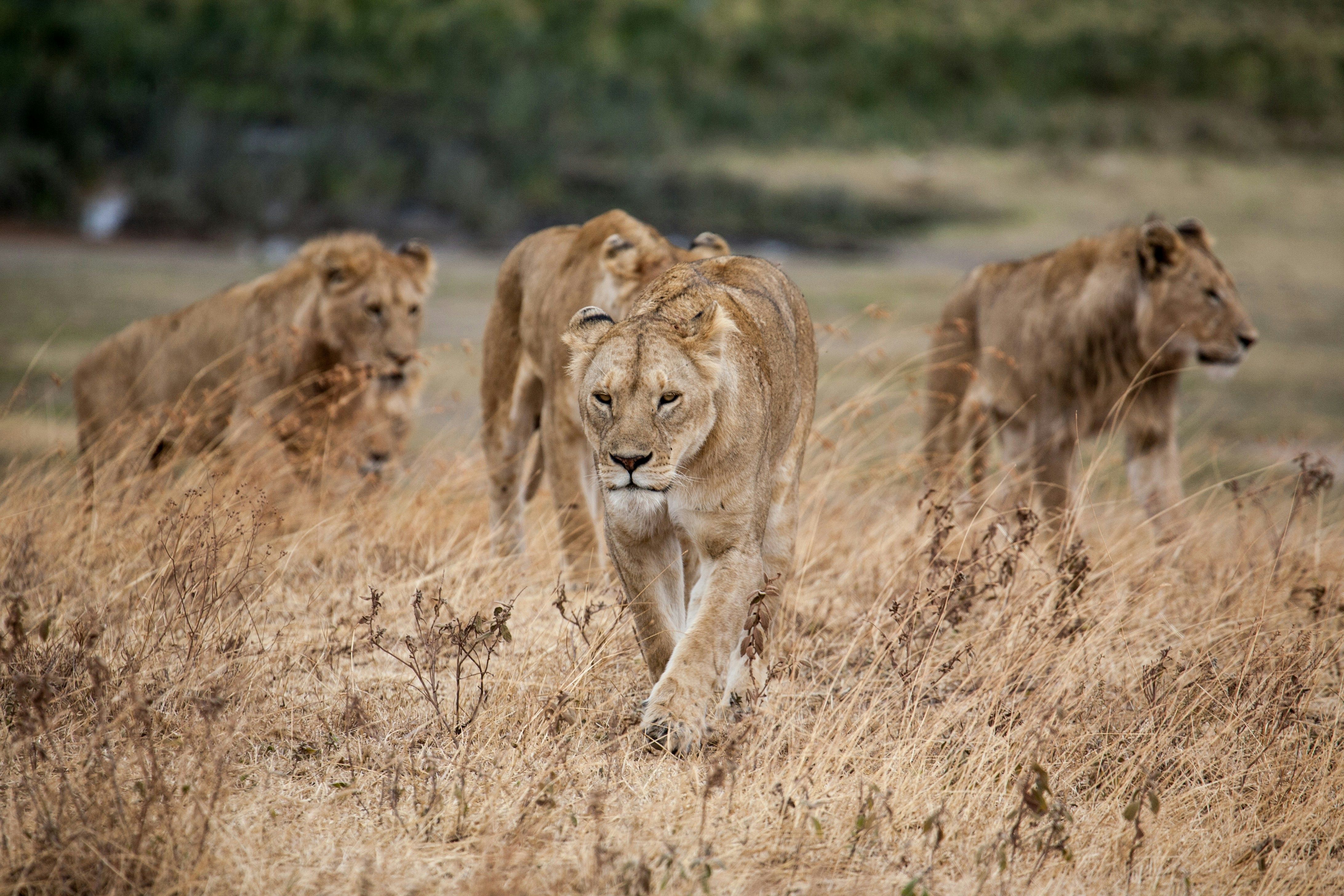
A massive, intact volcanic caldera that forms a natural enclosure for an incredible density of wildlife, including the Big Five.
History
The caldera was formed when a giant volcano exploded and collapsed 2-3 million years ago. It was declared a UNESCO site in 1979.
Uniqueness
The world's largest inactive, intact, and unfilled volcanic caldera, often called 'Africa's Eden'.
Highlights
- Ngorongoro Crater
- Big Five in One Day
- UNESCO World Heritage
3. Tarangire
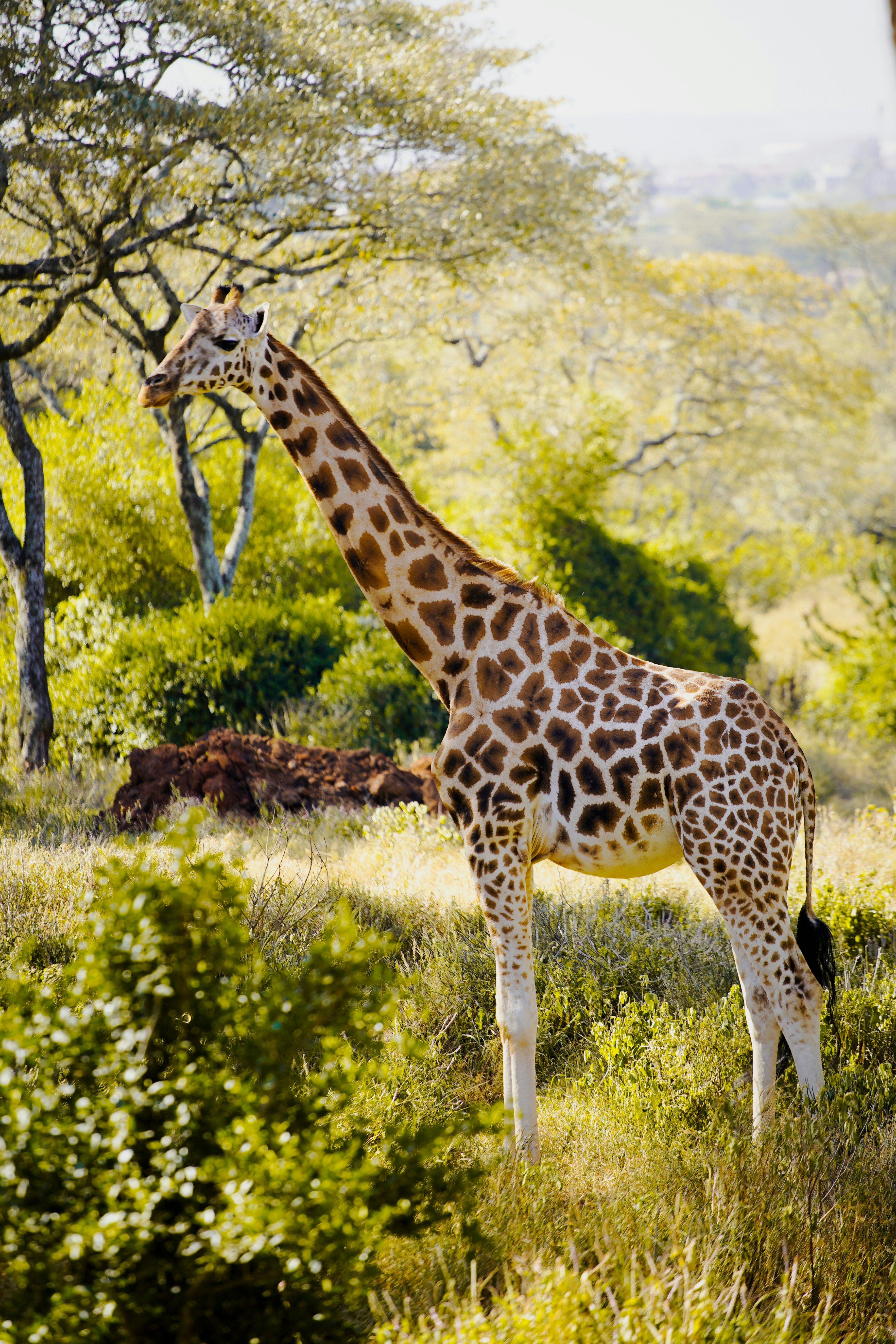
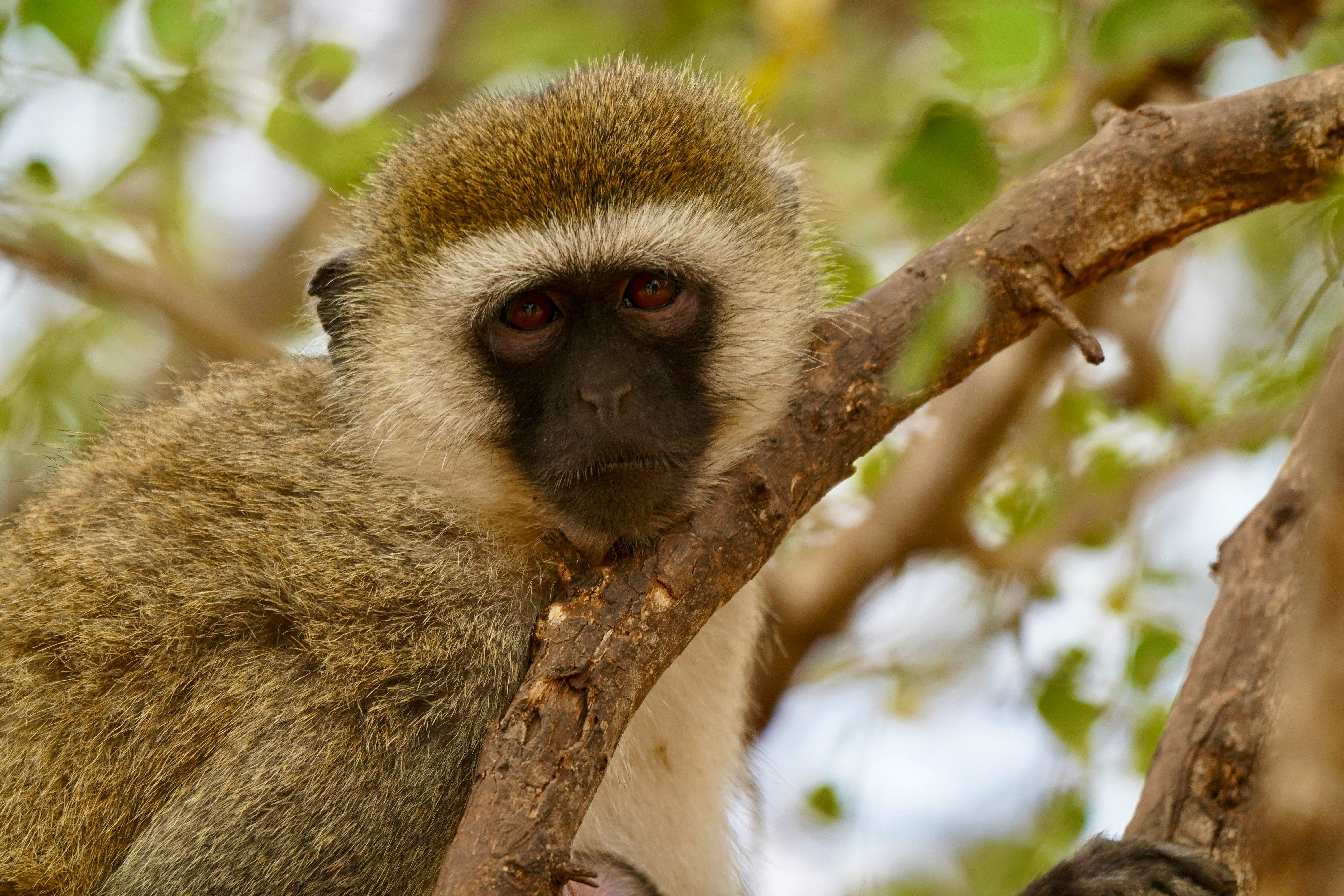
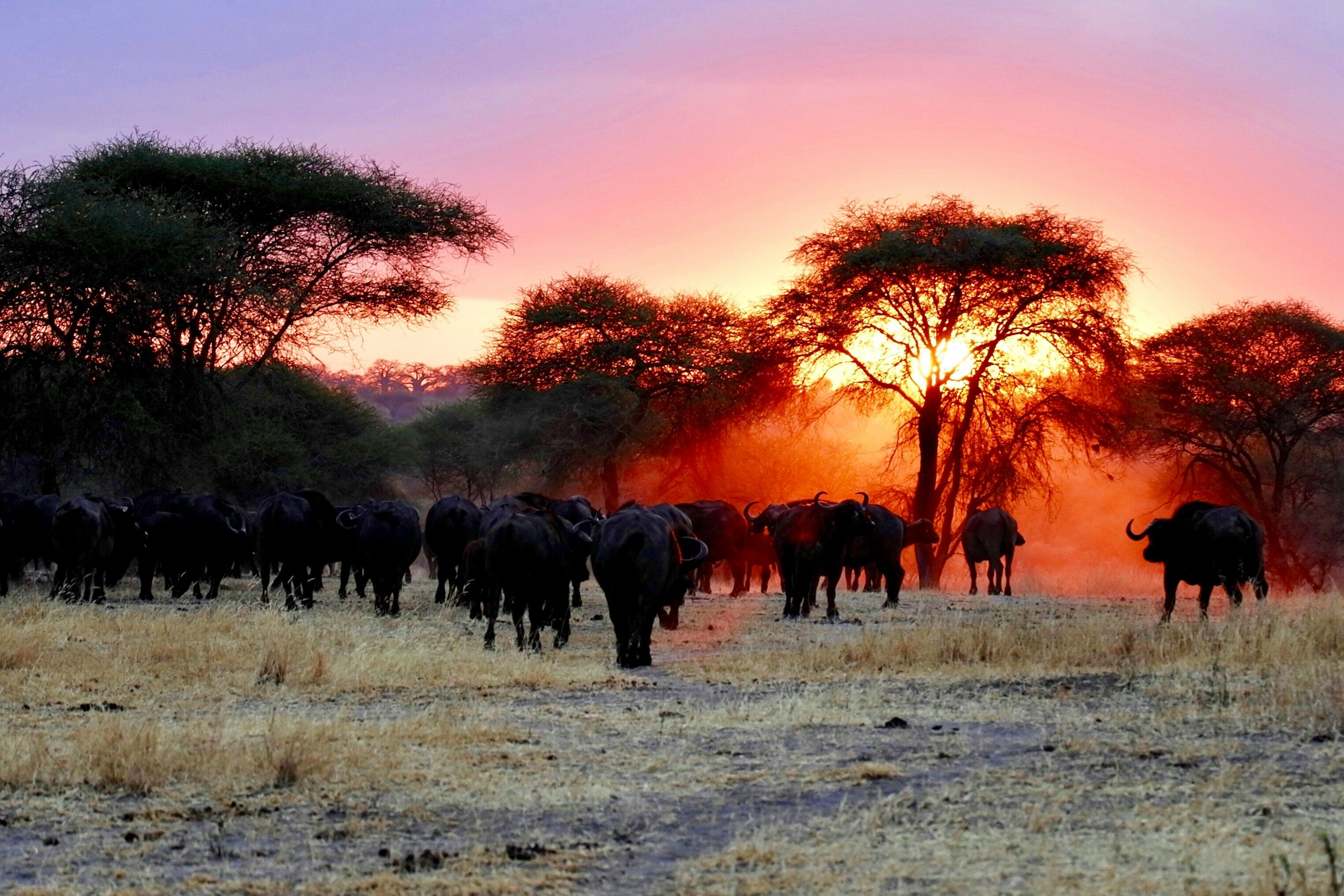
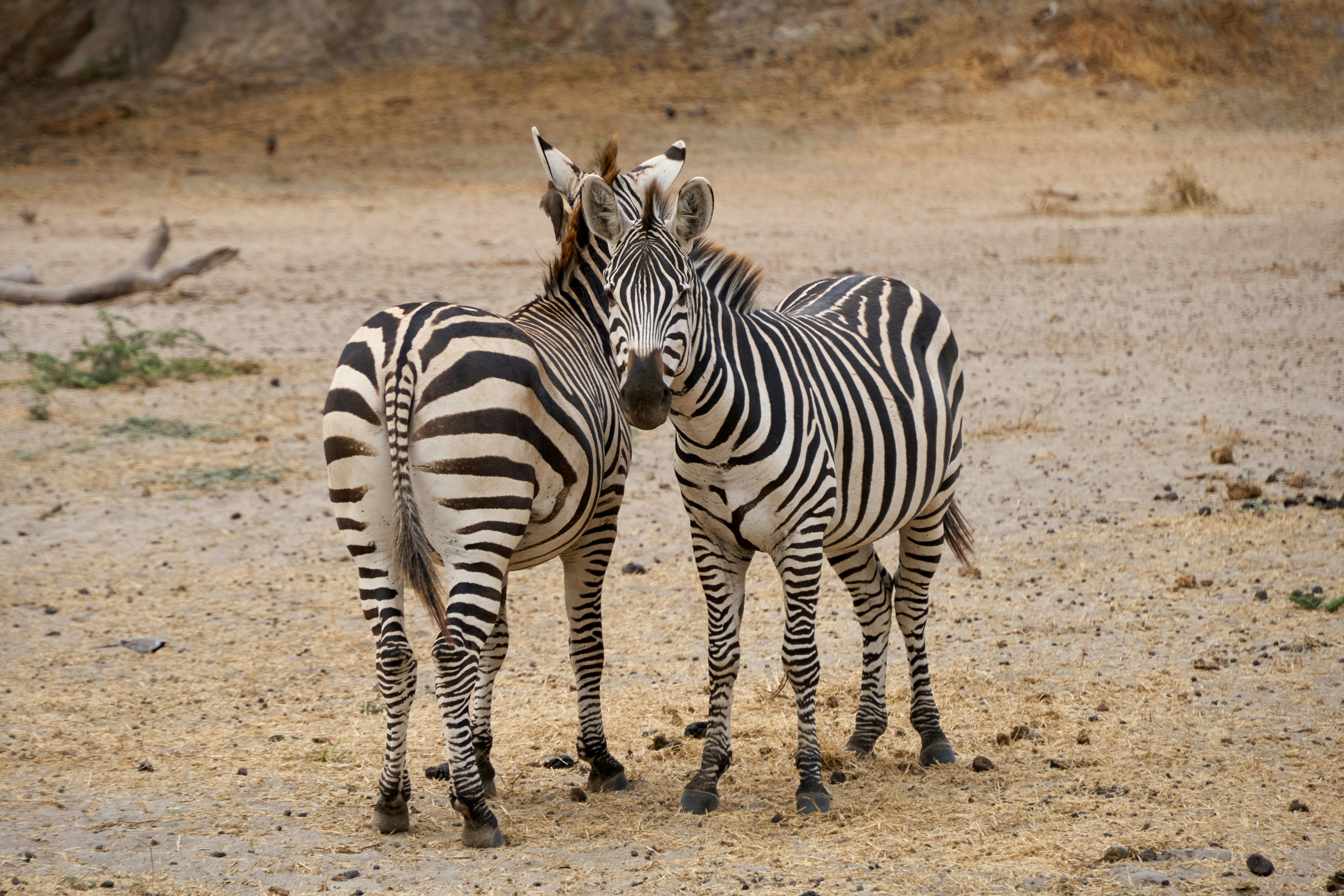
Famous for its large herds of elephants, ancient baobab trees, and diverse birdlife, centered around the Tarangire River.
History
Established as a national park in 1970 to protect the wildlife and riverine ecosystems of the Tarangire River.
Uniqueness
Home to some of the largest elephant populations in Tanzania and iconic, millennia-old baobab trees.
Highlights
- Large Elephant Herds
- Ancient Baobab Trees
- Seasonal Wildlife
4. Zanzibar
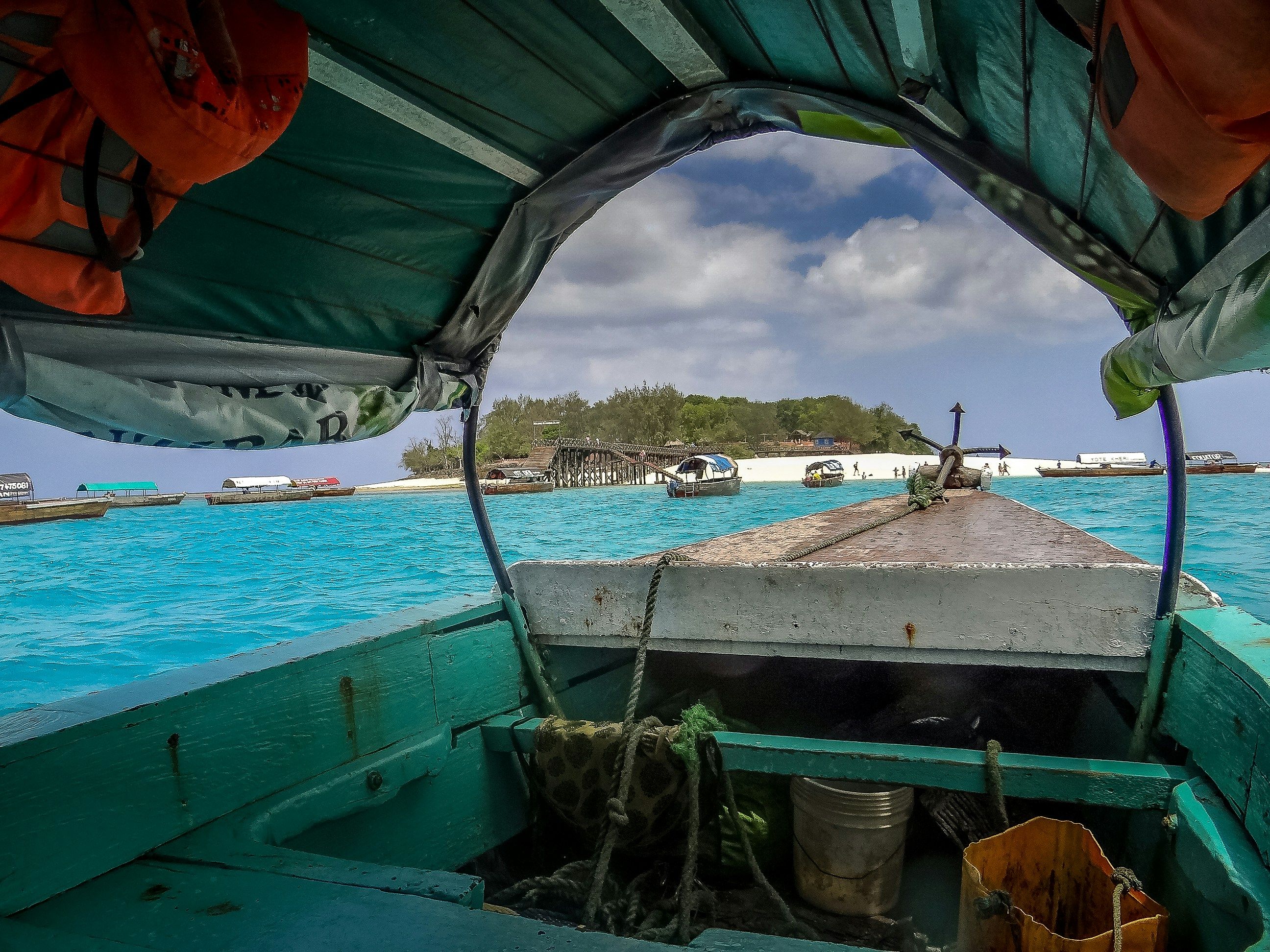
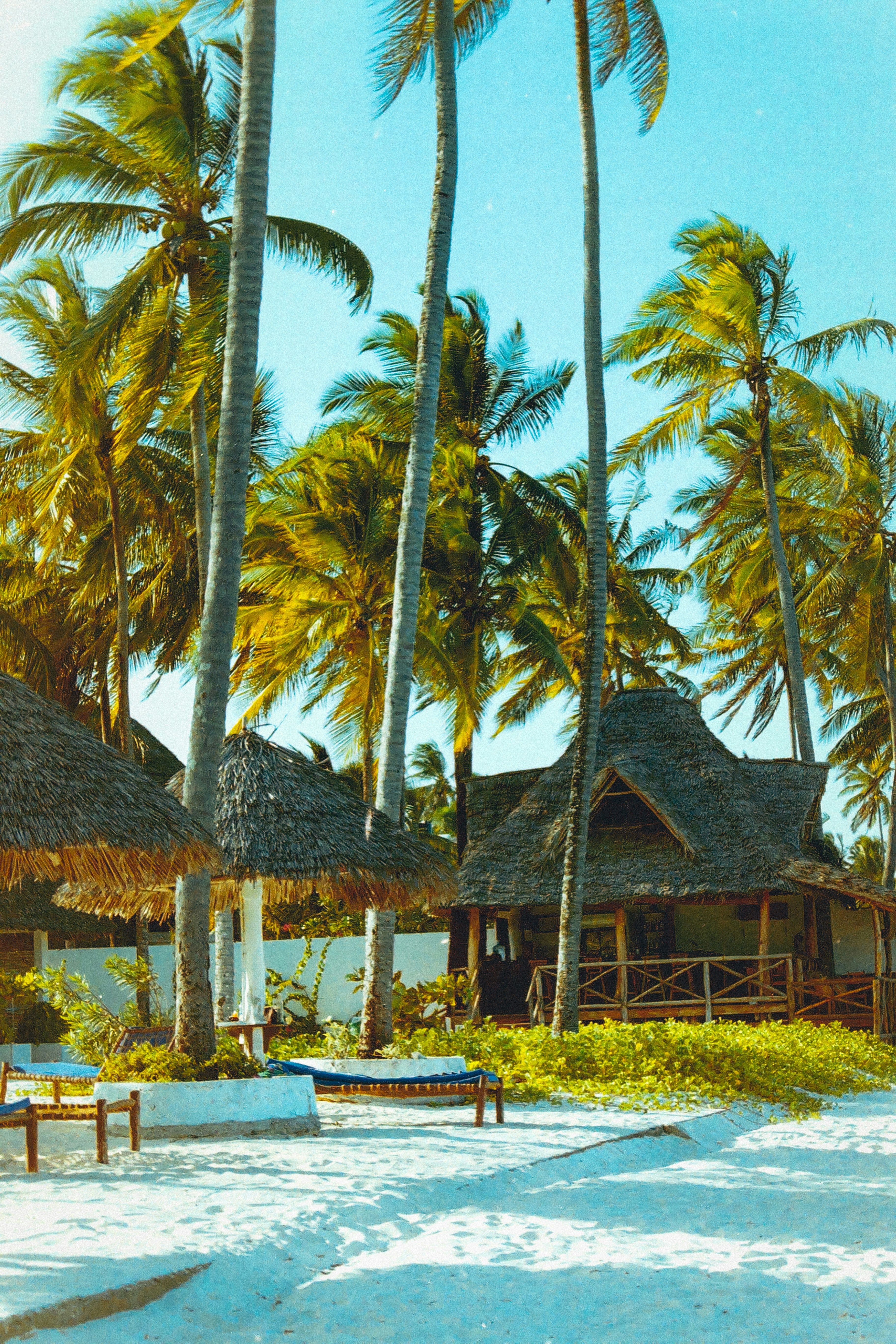
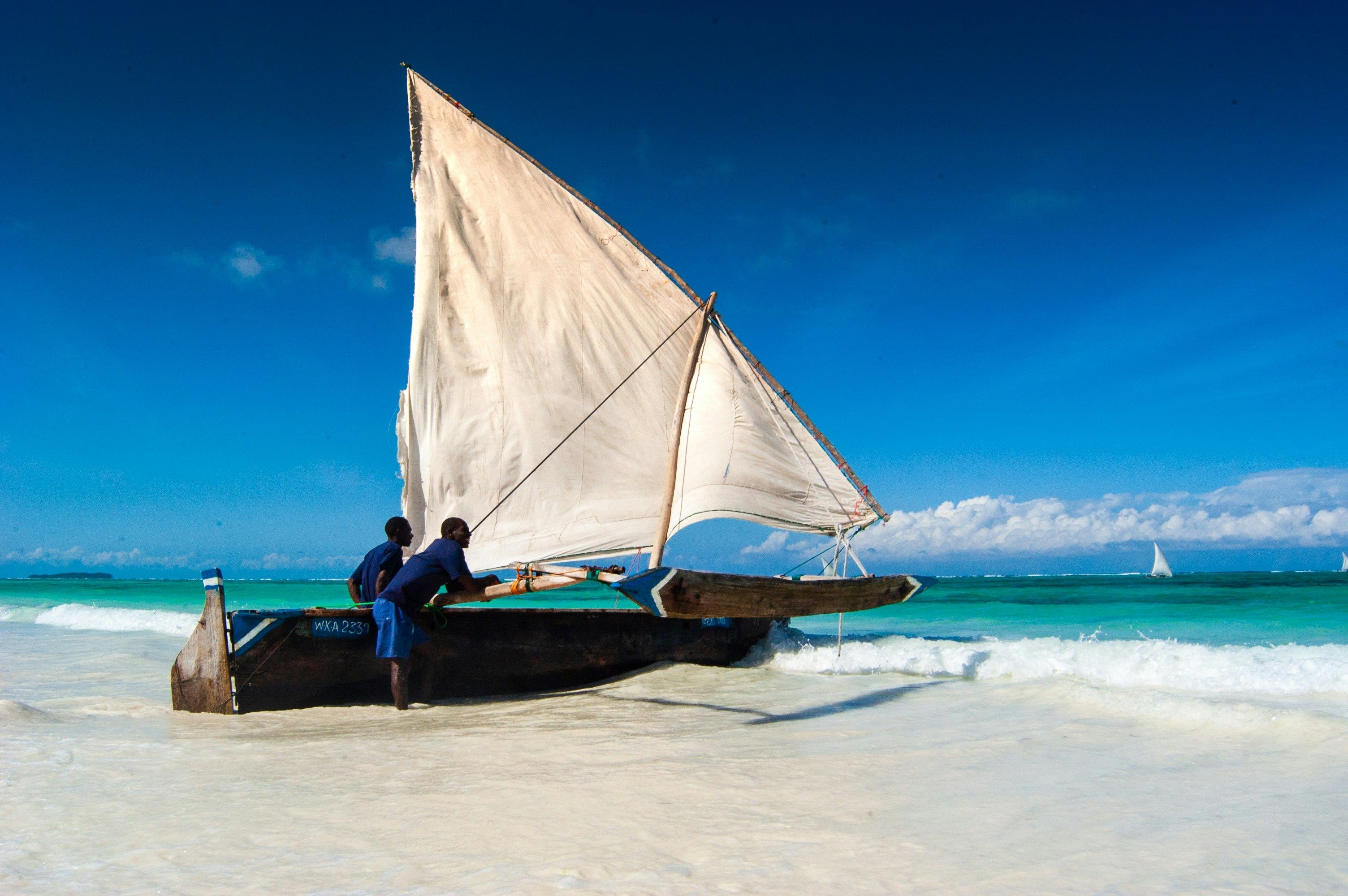
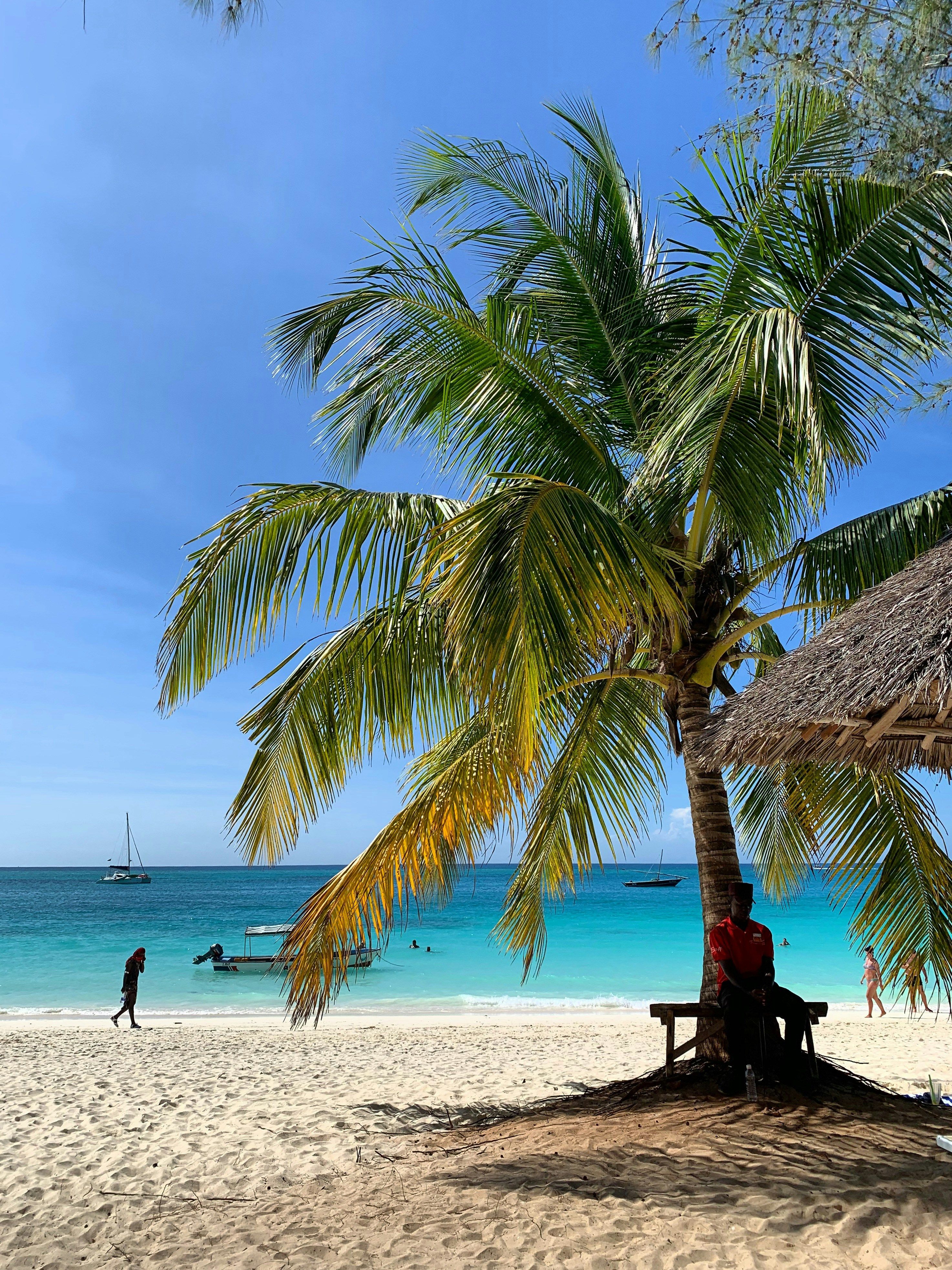
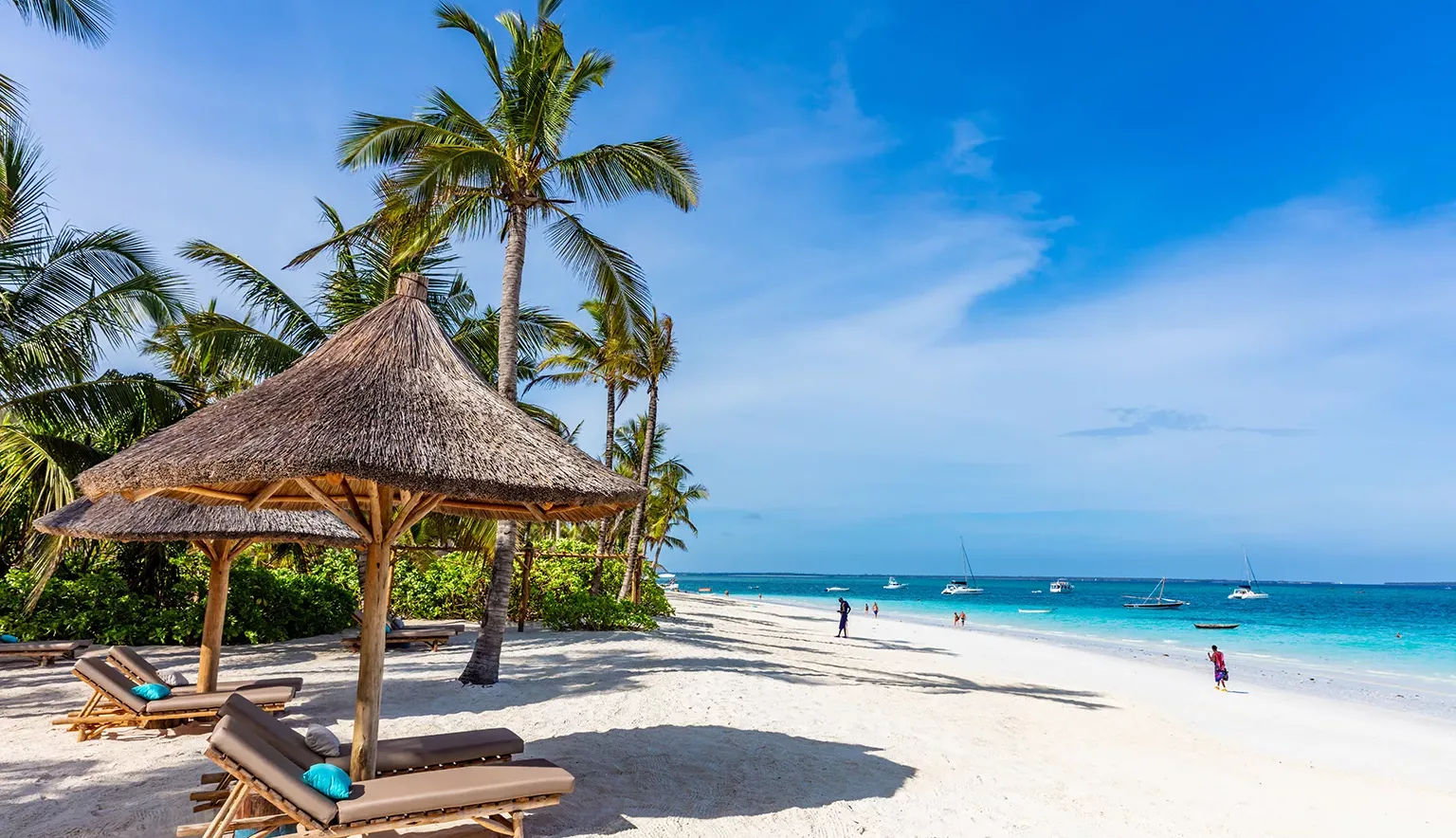
A tropical archipelago known for its rich history, spice plantations, white-sand beaches, and vibrant Swahili culture.
History
A historic trading hub with Arab, Persian, Indian, and European influences. Stone Town is a UNESCO World Heritage Site.
Uniqueness
A cultural melting pot with a distinct identity, offering a perfect blend of history, culture, and tropical relaxation.
Highlights
- Stone Town
- Spice Tours
- Beaches & Diving
5. Nyerere National Park
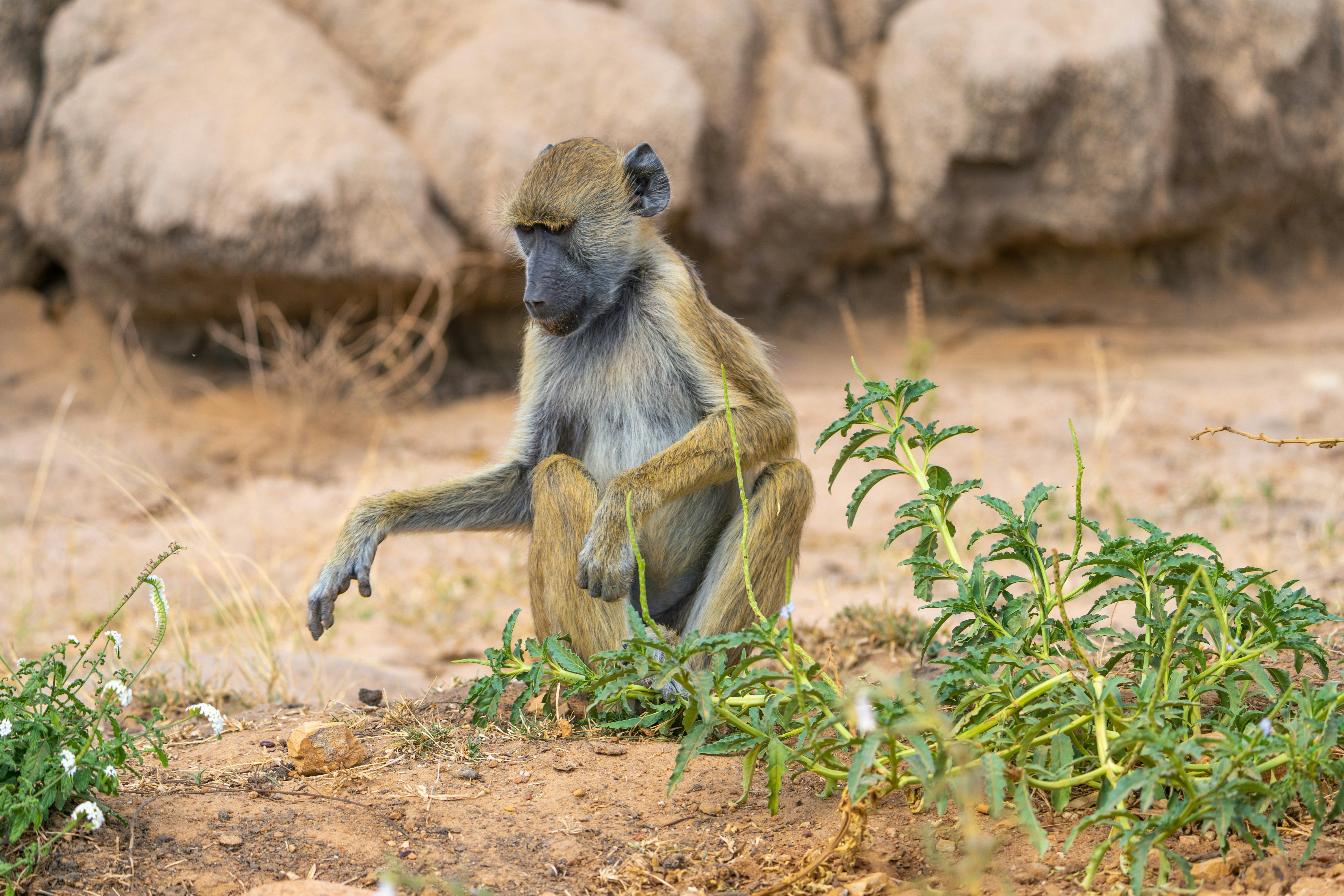
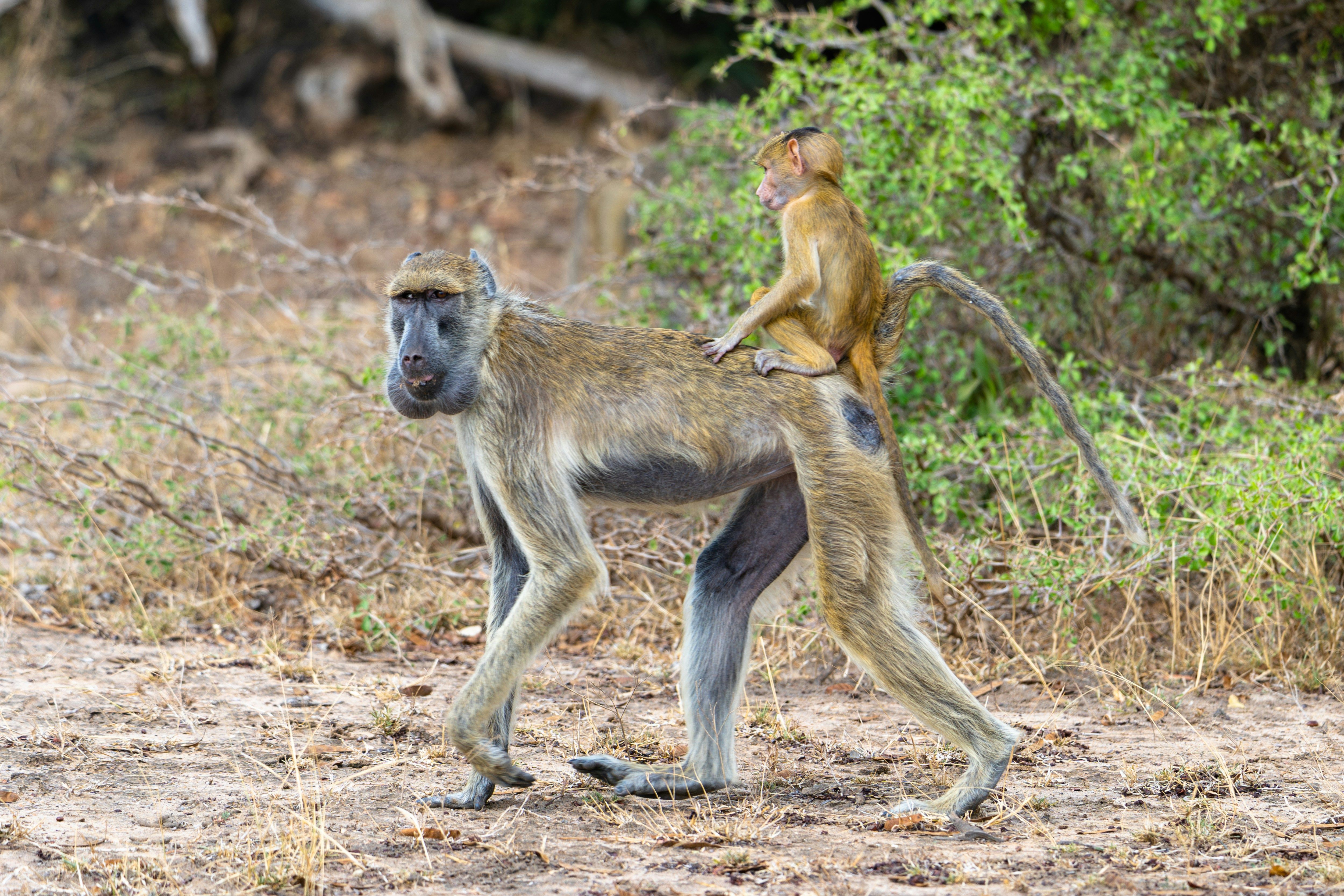
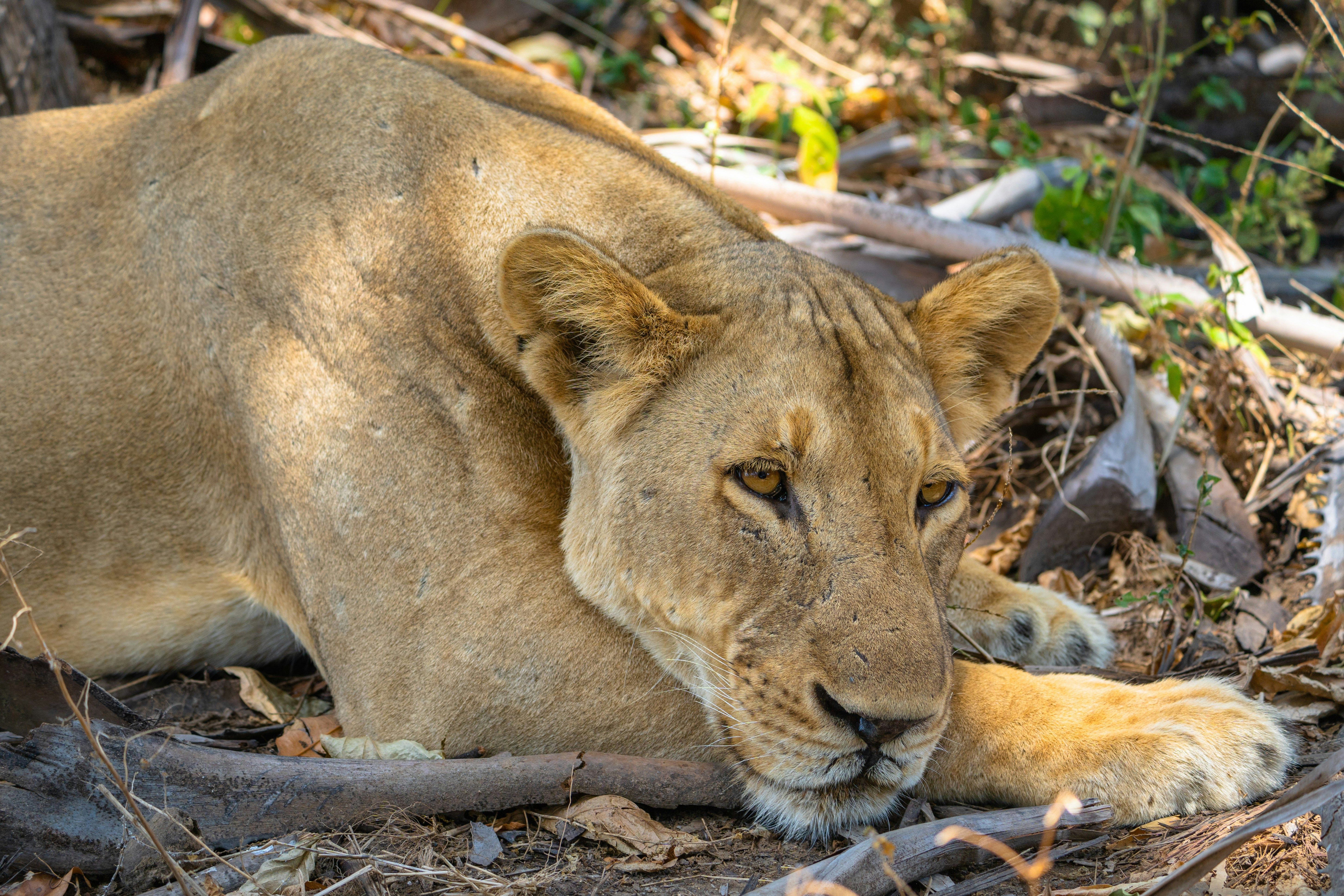
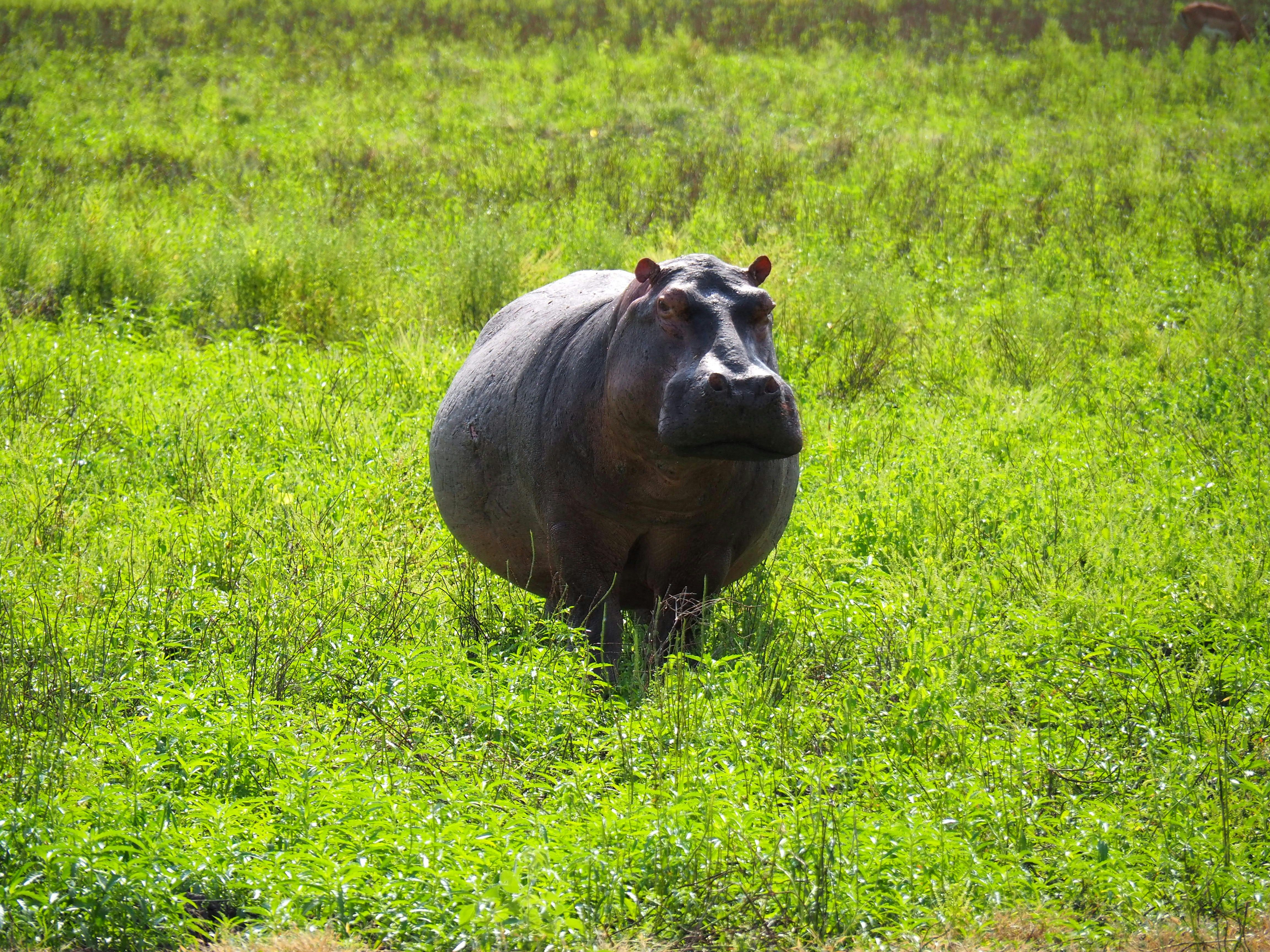
Tanzania's largest national park and one of the largest wilderness areas in Africa, offering a remote and pristine safari experience.
History
Originally part of the vast Selous Game Reserve, it was renamed in 2019 in honor of Tanzania's founding president.
Uniqueness
One of Africa's largest protected areas with a vast, untouched landscape and diverse activities including walking safaris.
Highlights
- Wilderness & Solitude
- Rufiji River Ecosystem
- Boat Safaris
6. Mt Kilimanjaro
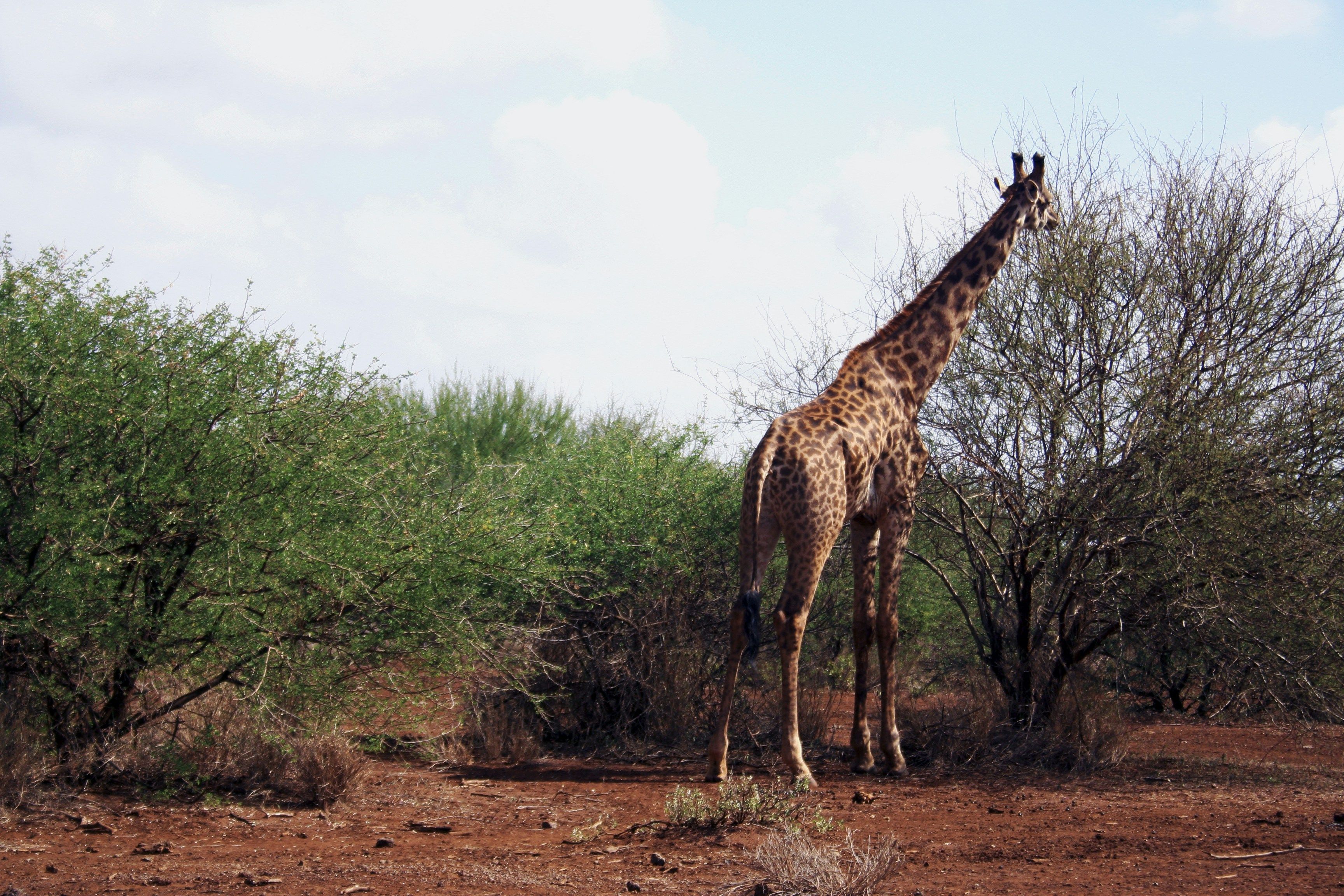

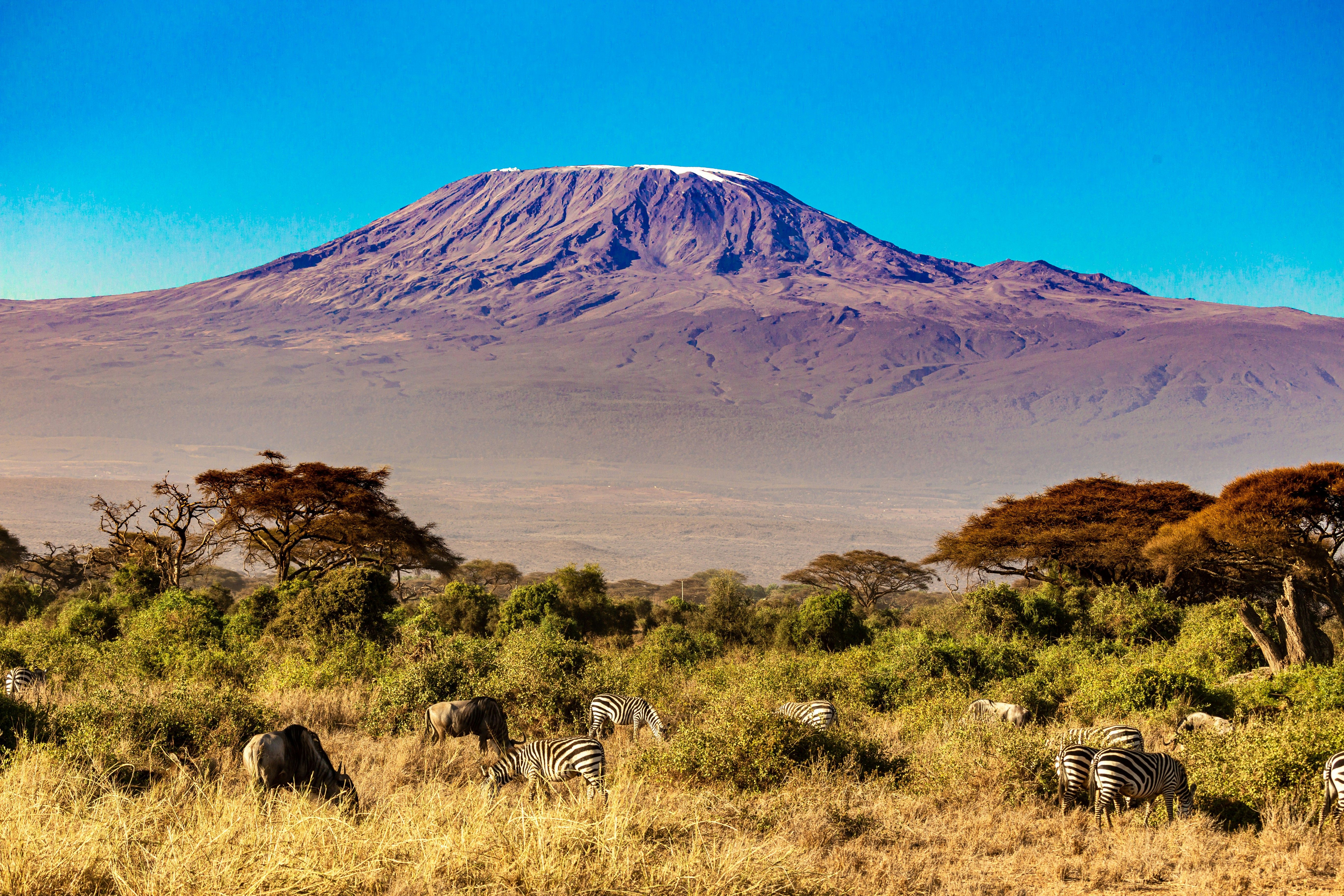
Africa's highest mountain and the world's tallest free-standing mountain, offering several climbing routes through diverse ecological zones.
History
A dormant volcano with three volcanic cones. It has been a major climbing destination since the first recorded summit in 1889.
Uniqueness
The highest point in Africa at 5,895 meters, which can be summited by trekkers without technical climbing skills.
Highlights
- Climb to Uhuru Peak
- Five Ecological Zones
- UNESCO World Heritage
7. Lake Manyara NP
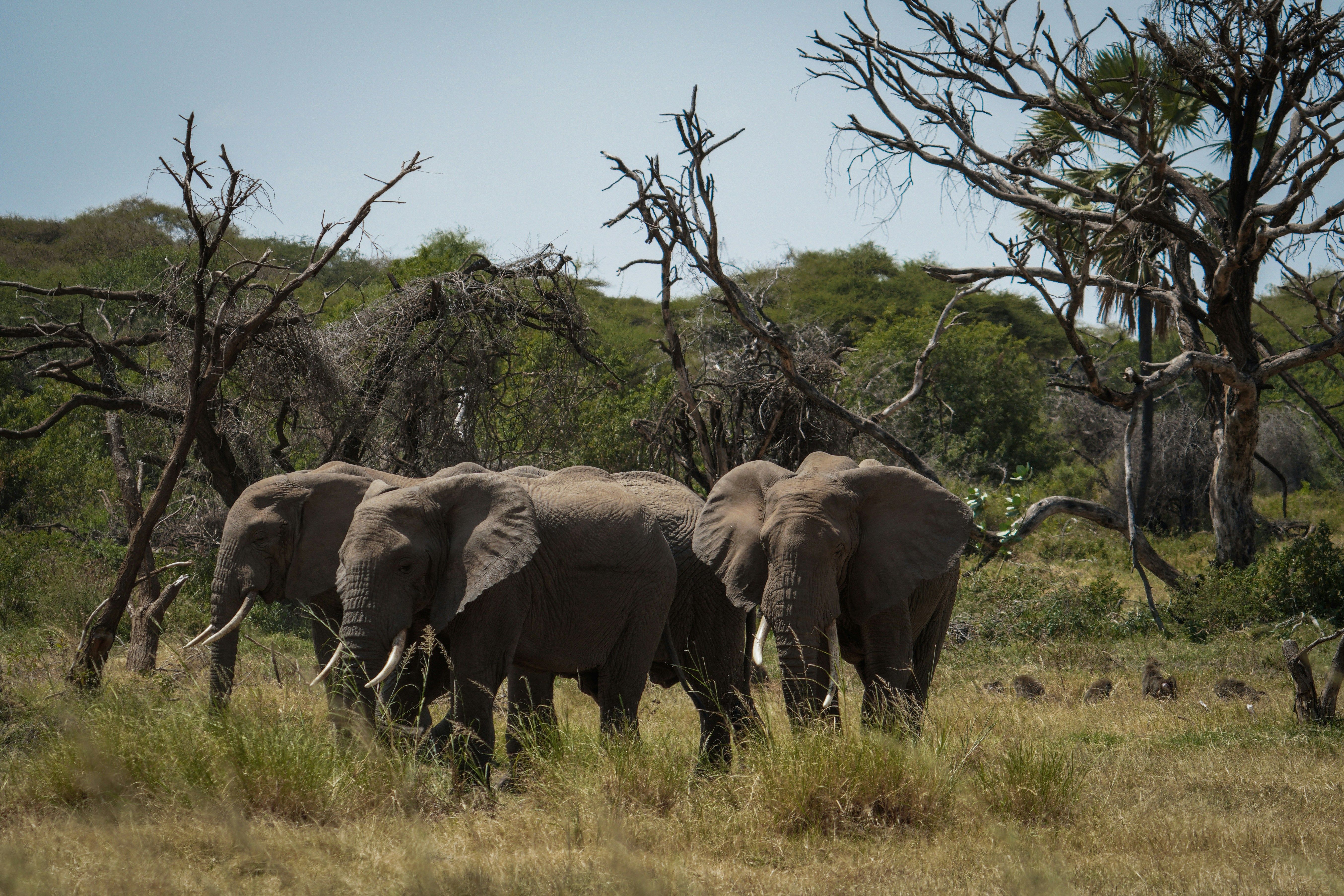
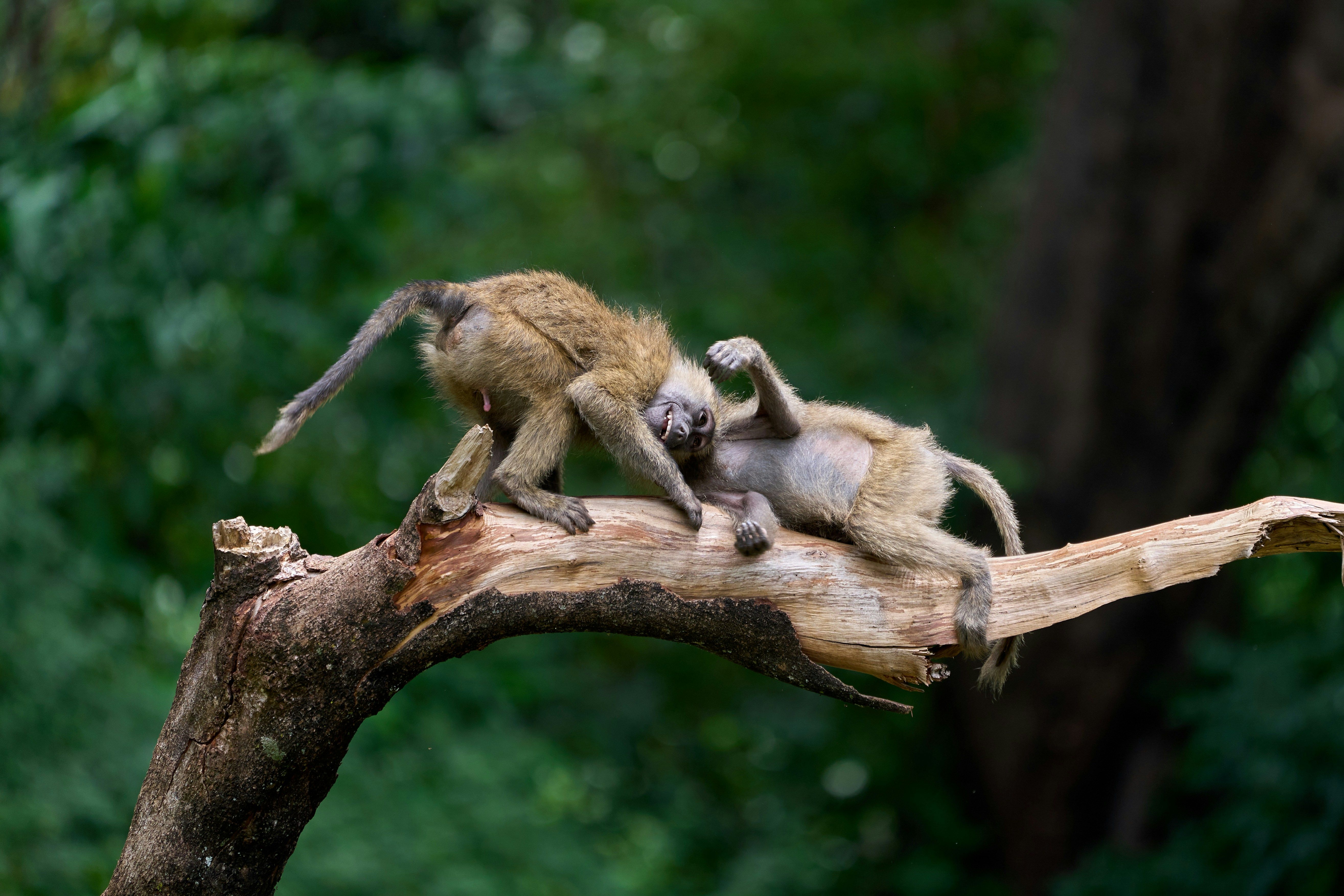
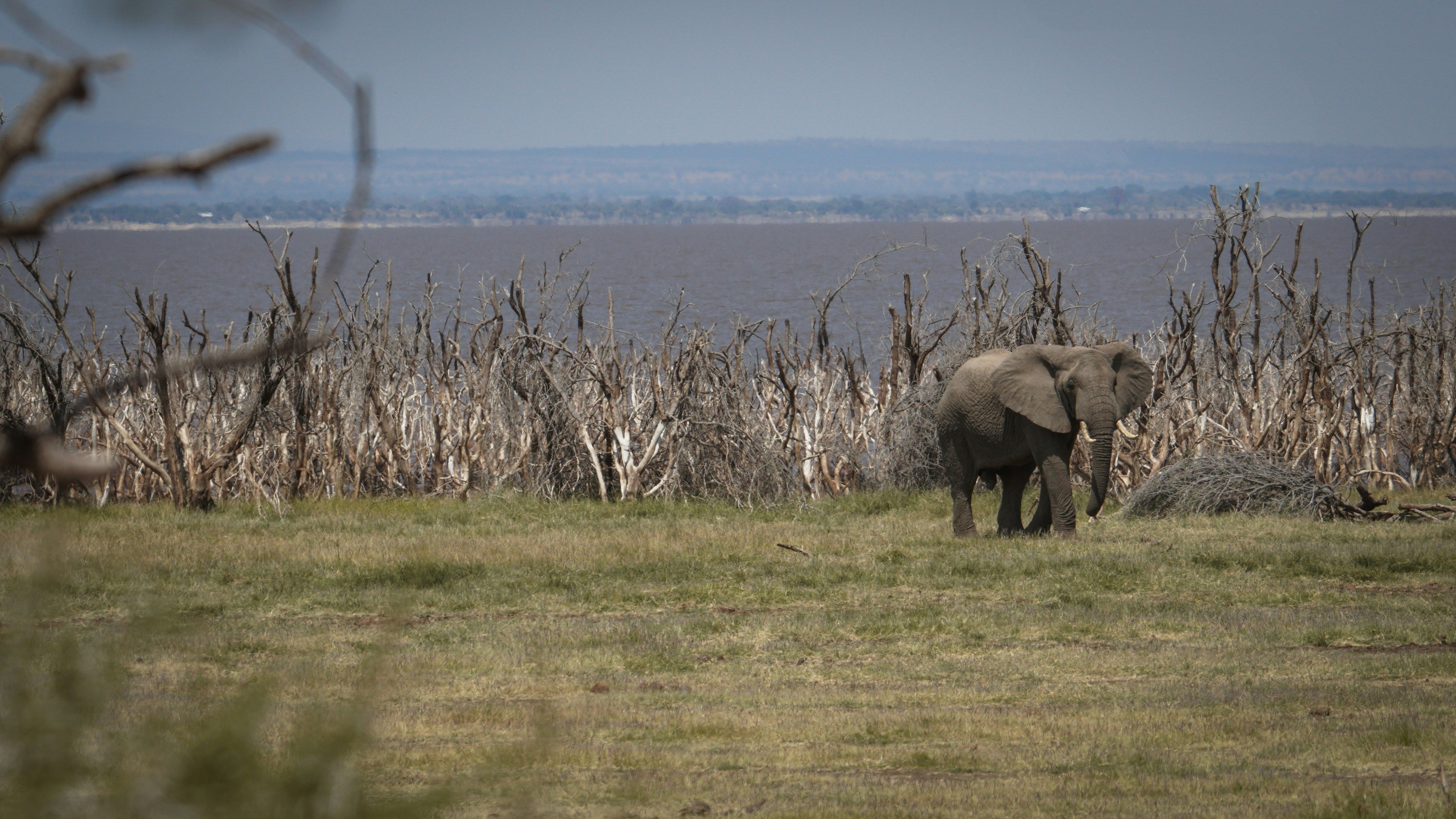
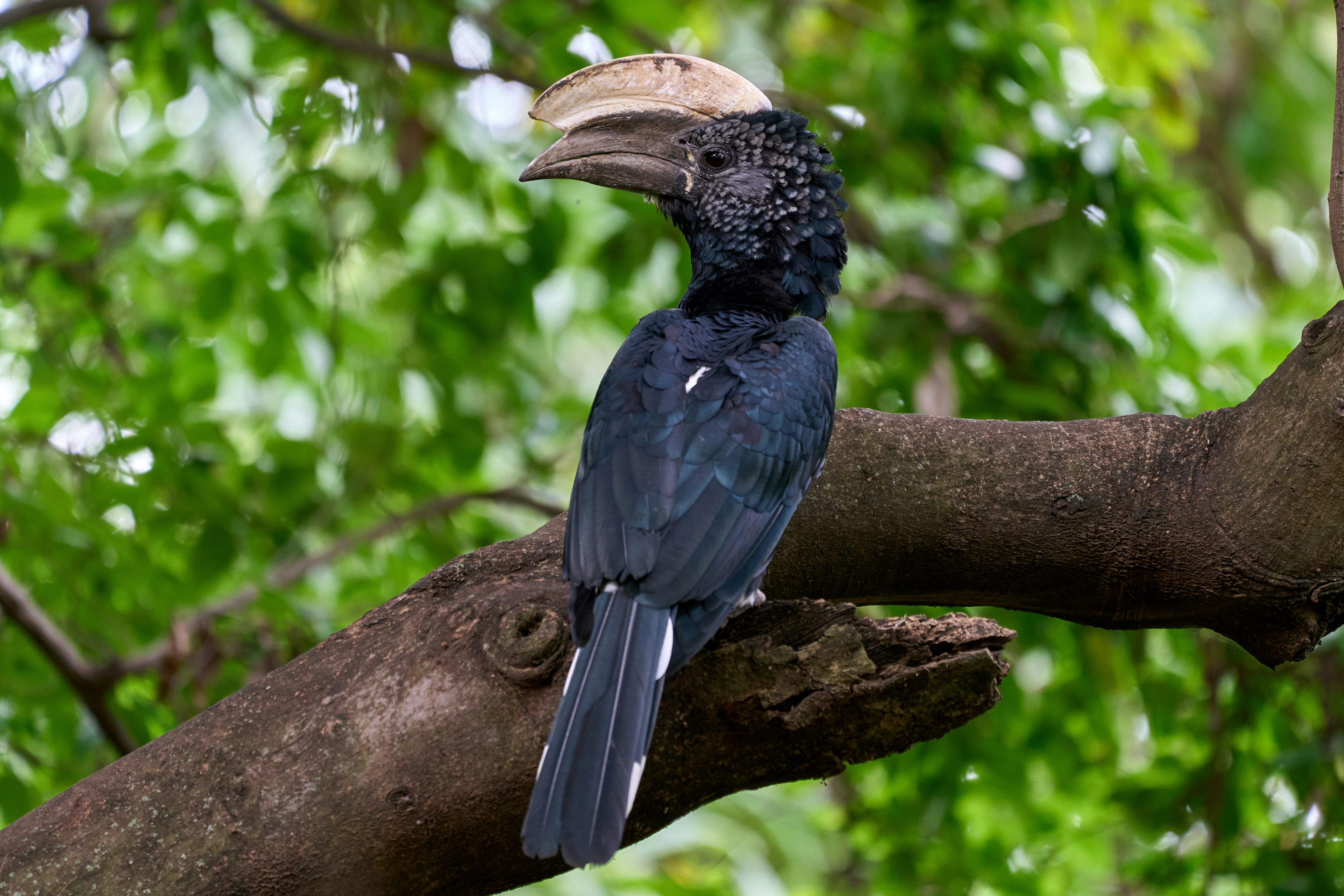
A scenic park at the base of the Great Rift Valley escarpment, known for its tree-climbing lions, large troops of baboons, and alkaline lake.
History
Established as a game reserve in 1957 and later as a national park in 1960, it's known for its diverse habitats in a compact area.
Uniqueness
Famous for its unusual tree-climbing lions and dramatic location at the foot of the Great Rift Valley.
Highlights
- Tree-Climbing Lions
- Lake Manyara
- Birdwatching
How it works
Share your dream trip
A Travel Expert will help curate your experience
Confirm & go

Let us make your dream last forever
Enquire now — we’ll reach out within 24 hours.
Let’s Start Planning